

Diving into Exam Preparation Techniques
Unlock the secrets to exam success with our latest podcast episode! Discover how consistent practice in mathematics, active recall techniques, and the innovative 'Teach the Teacher' method can transform your study routine. Learn from experienced educators Leonie and Tristan as they share their top strategies for acing your year-end exams in South Africa. Don't miss out on these expert tips to boost your confidence and performance!
Consistent Practice in Mathematics
Leonie, our experienced Mathematics teacher, emphasized the importance of consistent practice. Here's how to implement this strategy effectively:
Create a daily math practice schedule, allocating at least 30 minutes to solve problems.
Use past exam papers to familiarize yourself with question styles and time management.
Focus on areas where you struggle the most, gradually increasing difficulty as you improve.
Utilize online resources and math apps for interactive practice and immediate feedback.
Active Recall: Beyond Flashcards
Tristan, our educational psychologist, highlighted the power of active recall. Let's explore this technique further:
Create mind maps for each subject, then try to recreate them from memory.
Use the "Cornell Note-Taking System" to formulate questions from your notes and quiz yourself later.
Participate in study groups where you take turns teaching concepts to each other.
Record yourself explaining key topics and listen to these recordings during revision.
The 'Teach the Teacher' Method
Leonie's innovative 'Teach the Teacher' approach can be adapted for self-study or group sessions:
Pretend you're creating a video tutorial on a topic and record yourself explaining it.
Use a whiteboard or large paper to create visual aids as you would in a classroom.
If studying in a group, take turns being the 'teacher' for different topics.
After each 'teaching' session, reflect on areas where you stumbled or need more clarity.
Structured Study Schedules
Expanding on Tristan's advice about creating structured study schedules:
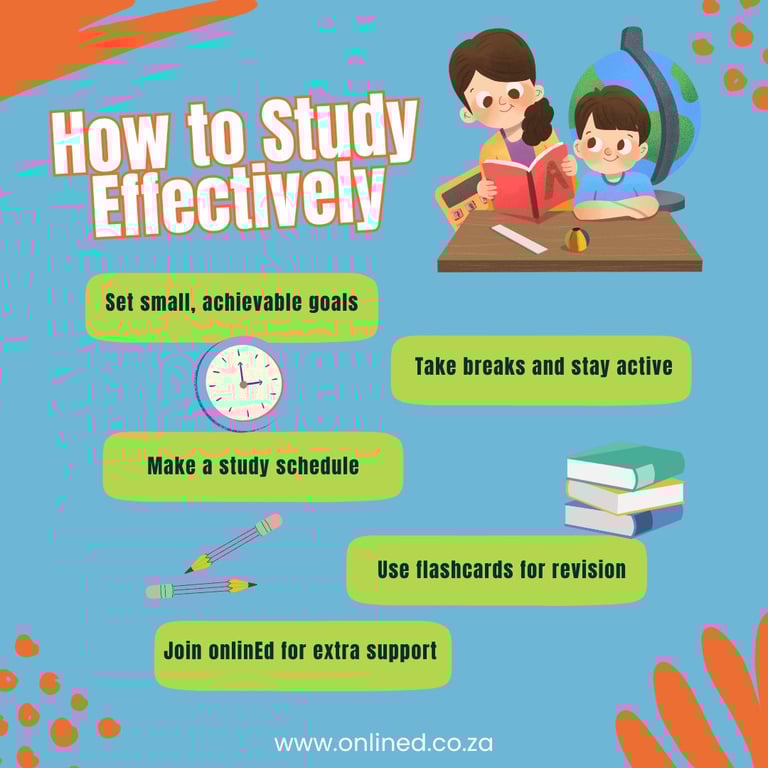
Use a digital calendar or planner to block out study times for each subject.
Implement the Pomodoro Technique: 25 minutes of focused study followed by a 5-minute break.
Alternate between subjects to maintain engagement and prevent burnout.
Include buffer time in your schedule for unexpected interruptions or difficult topics.
Holistic Exam Preparation
Remember, effective exam preparation goes beyond just studying:
Maintain a balanced diet rich in brain-boosting foods like nuts, berries, and oily fish.
Ensure you get 7-9 hours of sleep each night to consolidate learning and improve focus.
Incorporate regular exercise, even if it's just a 15-minute walk, to reduce stress and improve cognitive function.
Practice mindfulness or meditation to manage exam anxiety and improve concentration.
By implementing these expanded strategies, you'll be well-equipped to tackle your year-end exams with confidence. Remember, everyone's learning journey is unique, so don't hesitate to adapt these techniques to suit your personal study style and needs.
If you need additional support, consider joining onlinEd's Power Hours or booking a one-on-one tutoring session. With personalized guidance and these expert strategies, you're on the path to academic success. Good luck with your exams!

onlinEd | South Africa | info@onlined.co.za